From brainstorming to the implementation phase
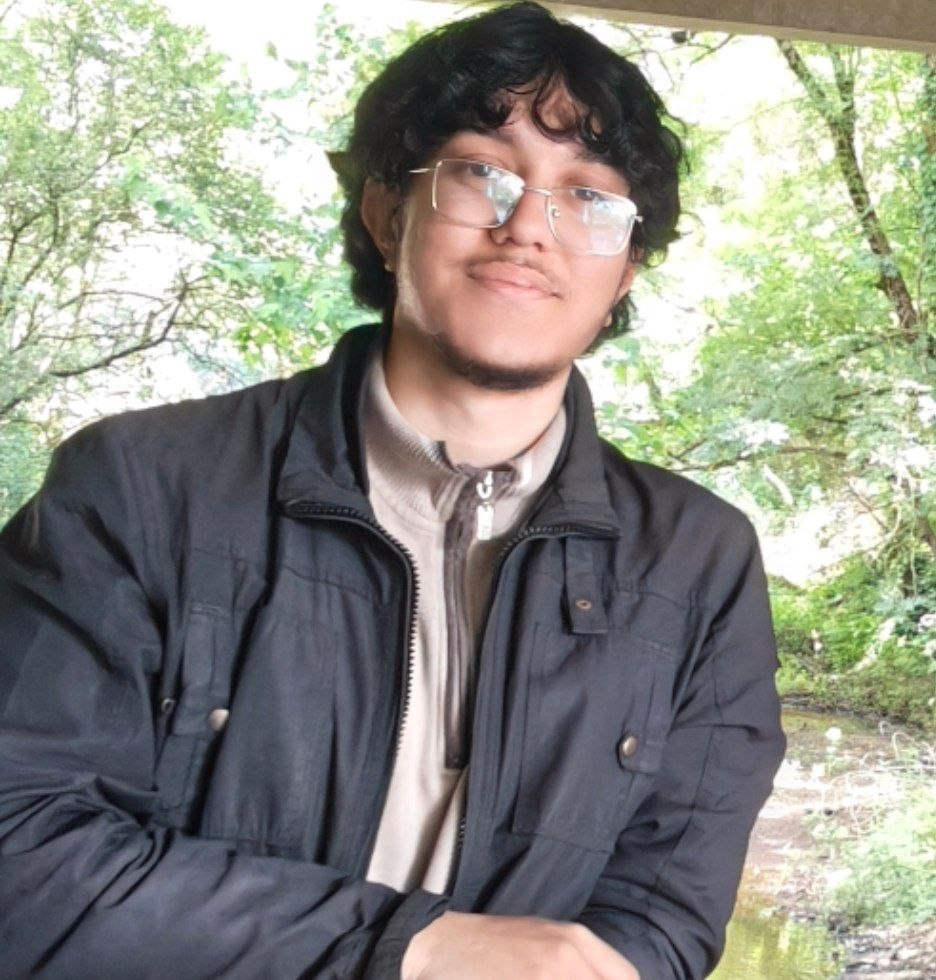
The people behind the project


Every step we took – from the first meeting to our current phase
Topics discussed:
The organizer promised continual supervision and encouraged us to seek out international friends (e‑Pals).
Main steps discussed:
Problem 1: Limited access to existing equipment.
Solution 1: Develop a remote access system to allow multiple students to control experiments online.
Problem 2: Complete absence of physical equipment.
Solution 2: Create a fully virtual simulation with 3D visualization and real-time data graphing.
Both solutions will be integrated into a flexible platform that adapts to the resources of each institution.
Fishbone diagram – root cause analysis of the identified problems.
This meeting marked the conclusion of the article reading phase. We presented our summaries and discussed how each article contributed to our understanding of the problem and potential solutions.
Key takeaways from the literature:
01. Development of an Educational Low‑Cost and ESP32‑Based Platform for Fundamental Physics
ENSTA, Algeria – Implementation of a low‑cost modular and open‑source didactic platform using an ESP32 board, designed for physics experiments in engineering training.
02. Low‑Cost Virtual Physics Lab for Moroccan Universities
EXPRES Project (2016–2018), Morocco – A low‑cost physics experiment simulation platform based on JavaScript, integrated into an interactive learning management system.
03. Open‑source Sensors System for Simple Physics Experiments
Universidad de Valladolid, Spain – Design and construction of a low‑cost platform combining different sensors for simple physics experiments. This article proposes a solution that is closest to ours.
These articles formed the foundation of our project and guided our choice of technology and approach.
The team evaluated several potential physics experiments for the prototype. After discussion, we selected two complementary experiments:
1. Rheographic Tank – mapping electric fields between charged electrodes in a conductive medium. Allows students to visualize abstract concepts like equipotential lines and electric field vectors. This experiment leverages the team's skills in 3D simulation and sensor data acquisition.
2. Inclined Plane (Pilot) – using smartphones as sensors (high-speed camera, inclinometer, audio trigger) to study motion and acceleration. This experiment demonstrates the power of using everyday devices for physics education.
Both experiments align with our goal of creating an accessible, remote, and interactive learning platform.
Following the design phase, we held a dedicated meeting to define how we will build and automate the experiments. The team outlined the following technical approach:
This plan provides a clear roadmap for moving from design to a working prototype.
Explore our 3D simulation and 3D design projects